
HOW TO CHOOSE THE RIGHT PIPE SHREDDER FOR YOUR OPERATION
Pipe shredder configurations vary significantly, and a machine that is undersized or mismatched to your pipe diameter and resin type creates operational problems that cost more over time than getting it right upfront

WHAT HAPPENS AFTER A 30-INCH PIPE REACHES END OF LIFE
The U.S. has over 840,000 miles of plastic pipe mains installed underground, and the infrastructure built in the 1970s through 1990s is now entering replacement cycles
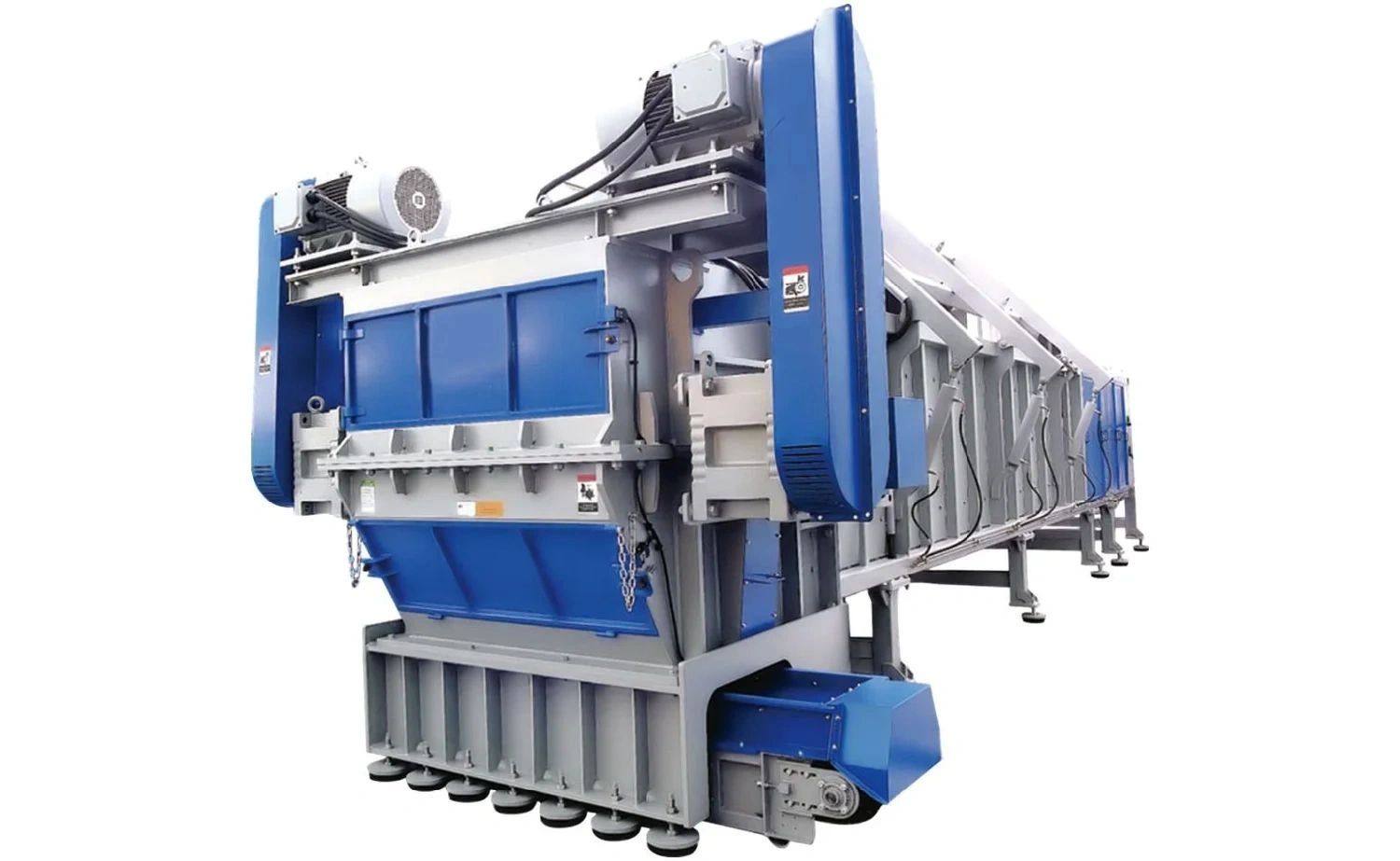
HOW PIPE EXTRUSION MANUFACTURERS CLOSE THE SCRAP LOOP
Every pipe extrusion line generates startup scrap, dimensional rejects, and trim every shift, and manual pre-cutting is the bottleneck that slows down recapture. This post covers how a dedicated inline pipe shredder eliminates that step and closes the regrind loop within the same shift
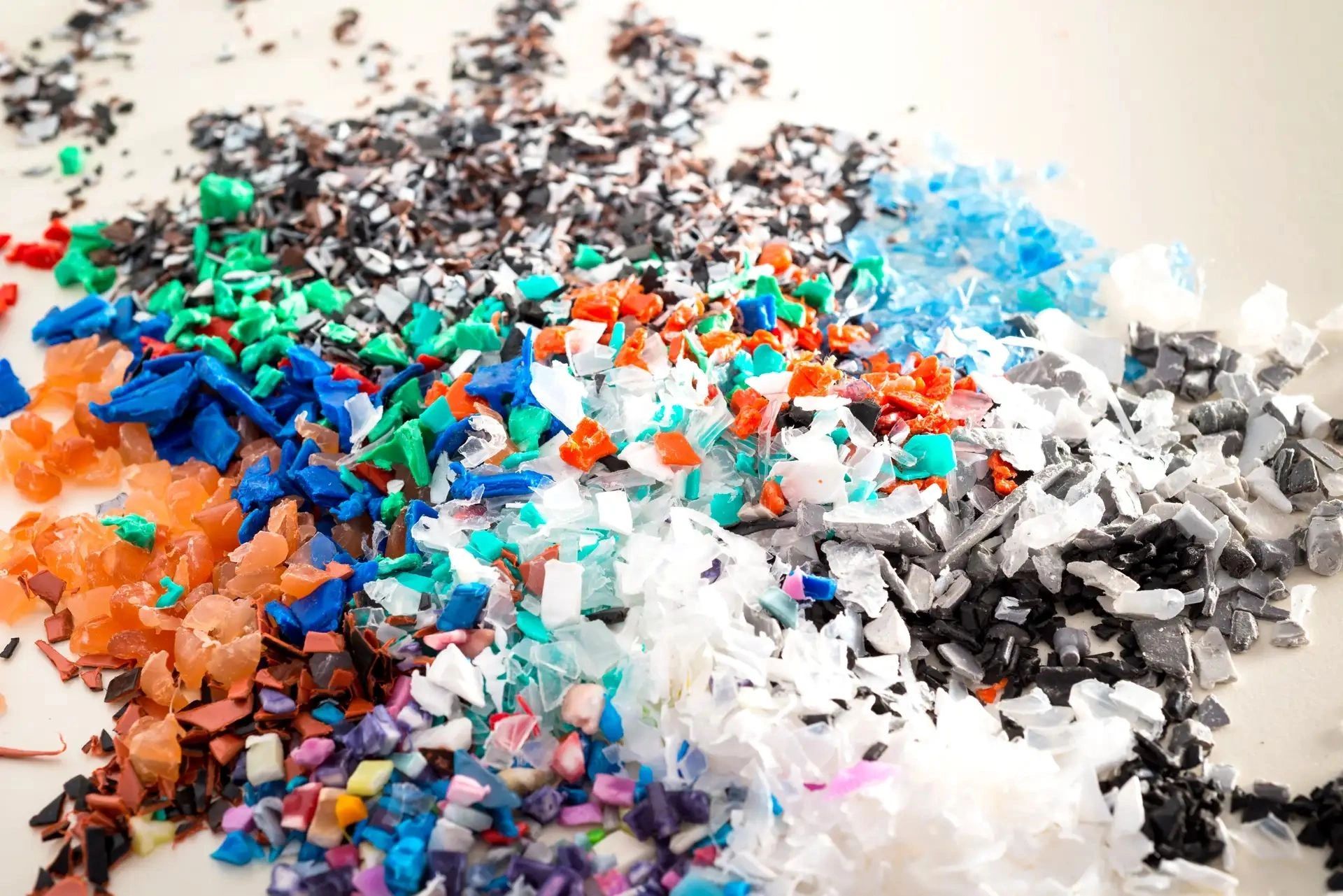
MOST VALUABLE STEP BEFORE BUYING SIZE REDUCTION EQUIPMENT
This post covers what a material test actually reveals about throughput, output quality, and machine configuration that published numbers simply cannot tell you

WHY YOUR FACTORY SCRAP IS WORTH MORE THAN YOU THINK
This post covers why factory scrap commands premium value in 2026, what separates high-value regrind from low-value material, and what it takes to capture it properly

GRANULATOR MAINTENANCE
This post covers the early warning signs most operators miss, what a practical maintenance schedule looks like, and which spare parts to have on the shelf before you need them

WOOD WASTE IS A $21 BILLION MARKET
This post covers what makes wood shredding different from plastic processing, how to handle contaminated C&D feedstock, and where the finished output goes

WHAT EXTENDED PRODUCER RESPONSIBILITY MEAN FOR MANUFACTURERS
Seven U.S. states now have EPR packaging laws on the books, fee obligations are already live in some, and manufacturers are feeling real financial pressure in 2026

END-OF-LIFE TIRES ARE A $9+ BILLION INDUSTRY
Around one billion end-of-life tires are generated globally every year, and mechanical shredding handles the majority of that volume through a multi-stage process most people have never seen laid out clearly
BESIDE THE PRESS VS. CENTRAL GRANULATION
Beside-the-press and central granulation both work, but choosing the wrong setup for your floor is an expensive lesson. This post lays out the real tradeoffs between the two approaches and why many mid-to-large plants end up running both

SMARTEST BUY ON YOUR PLANT FLOOR
Injection molders sending runners and sprues out the door in scrap bins are leaving real money on the table. This post breaks down how a low speed beside-the-press granulator closes that loop and why the payback period surprises most operations

WHY CHOOSE VIRTUS EQUIPMENT FOR INDUSTRIAL SIZE REDUCTION
Industrial size‑reduction isn’t guesswork, and Virtus Equipment earns trust by testing real materials, supporting every installation, and providing the shredder‑and‑granulator expertise processors need to keep production moving

VIRTUS EQUIPMENT IS THE PARTNER TEXTILE RECYCLERS CALL
Americans discard over 10 million tons of textiles yearly, and most goes to landfill. Virtus Equipment provides the shredders, granulators, and testing expertise to help processors handle it

HOW VIRTUS EQUIPMENT SUPPORTS TEXTILE RECYCLERS END TO END
Choosing the right equipment supplier is one of the most important decisions in textile recycling. See how Virtus Equipment supports operations from material testing all the way to daily production

VIRTUS INTRODUCES NEW SHREDDER / GRANULATOR SYSTEM
Virtus Equipment is pleased to announce the Virtus SG 1000 Shredder/granulator combination, material handling system, and central control panel.
To learn more about the Virtus Equipment Shredder and Granulator System, click the link below.

VIRTUS EQUIPMENT -MANUFACTURERS' REPRESENTATIVE OPPORTUNITY
Virtus Equipment supplies a full range of plastic shredders, granulators, and auxiliary systems, delivering complete size reduction solutions backed by testing, service, and industry expertise.

HOW TO CHOOSE THE BEST BLADE MATERIALS FOR YOUR SHREDDERS
Choosing the right shredder and granulator blades can improve output, reduce downtime, and lower costs. Learn how blade materials, hardness, and quality impact performance.

OPTIMIZING BLADE DESIGN AND MAINTENANCE
Blade design, configuration, and maintenance play a major role in throughput, energy use, and output quality. Learn how to optimize cutting performance and extend blade life.